Learn
What is Anoma?
The OS that puts you in control.
Crypto needs a unified OS
Today’s blockchain landscape is highly fragmented, with users, apps, state, and liquidity split between chains. This creates headaches for developers and unnecessary complexity for users. Users need to interact directly with blockchains, often with multiple steps and transactions to sign.
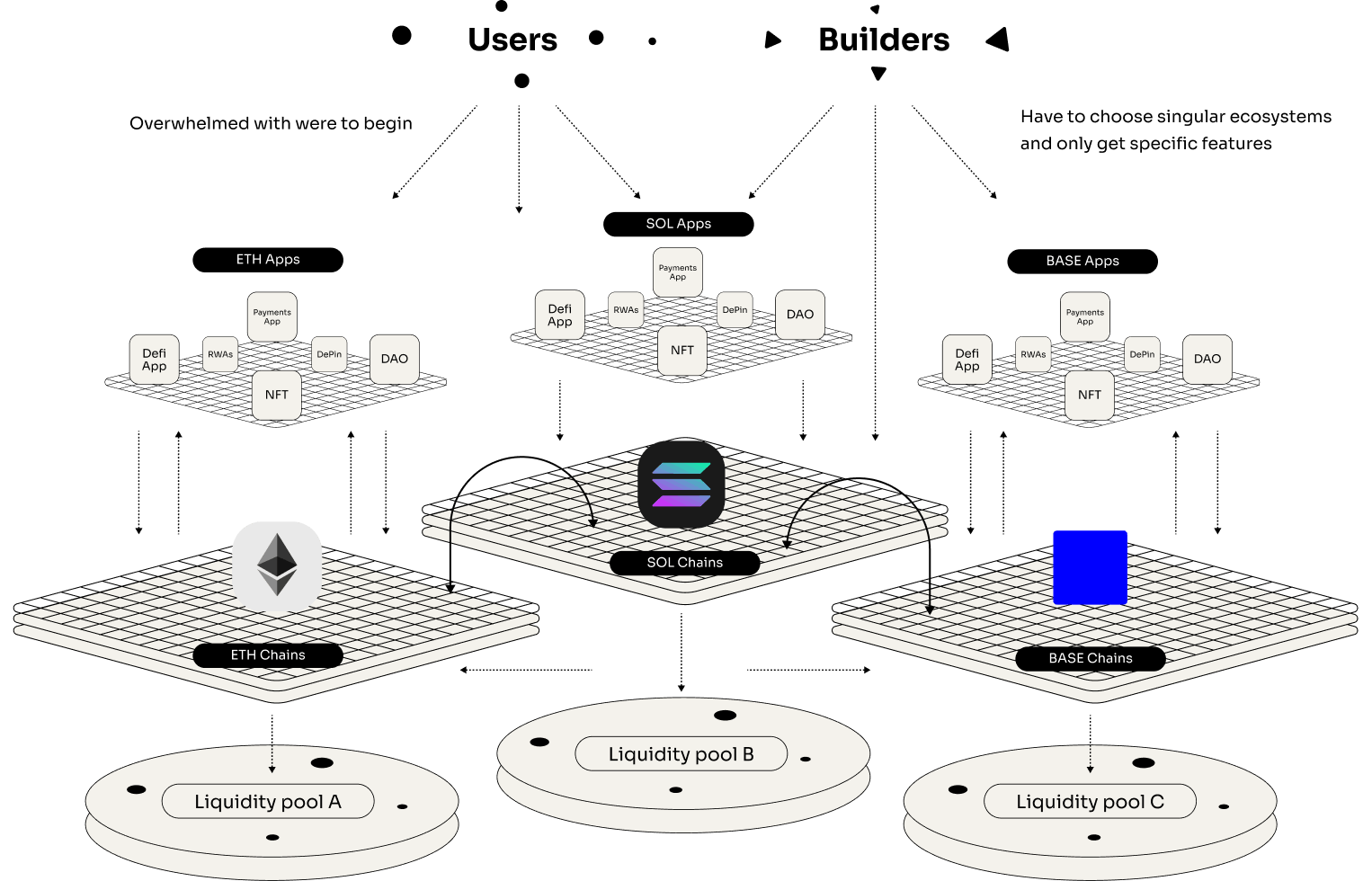
The missing link between chains & and users
Windows unified the PC environment, introducing a new layer of abstraction between users and hardware. Developers could write apps that worked seamlessly on any PC, and users didn’t need to understand the underlying code or hardware. This changed the way we interact with computers.
The great unifier
Anoma unifies blockchains into an integrated OS where builders and users don’t need to worry about the complexities of chains, virtual machines, or bridges. It changes the way we interact with blockchains and enables a future of user-friendly, private dapps.
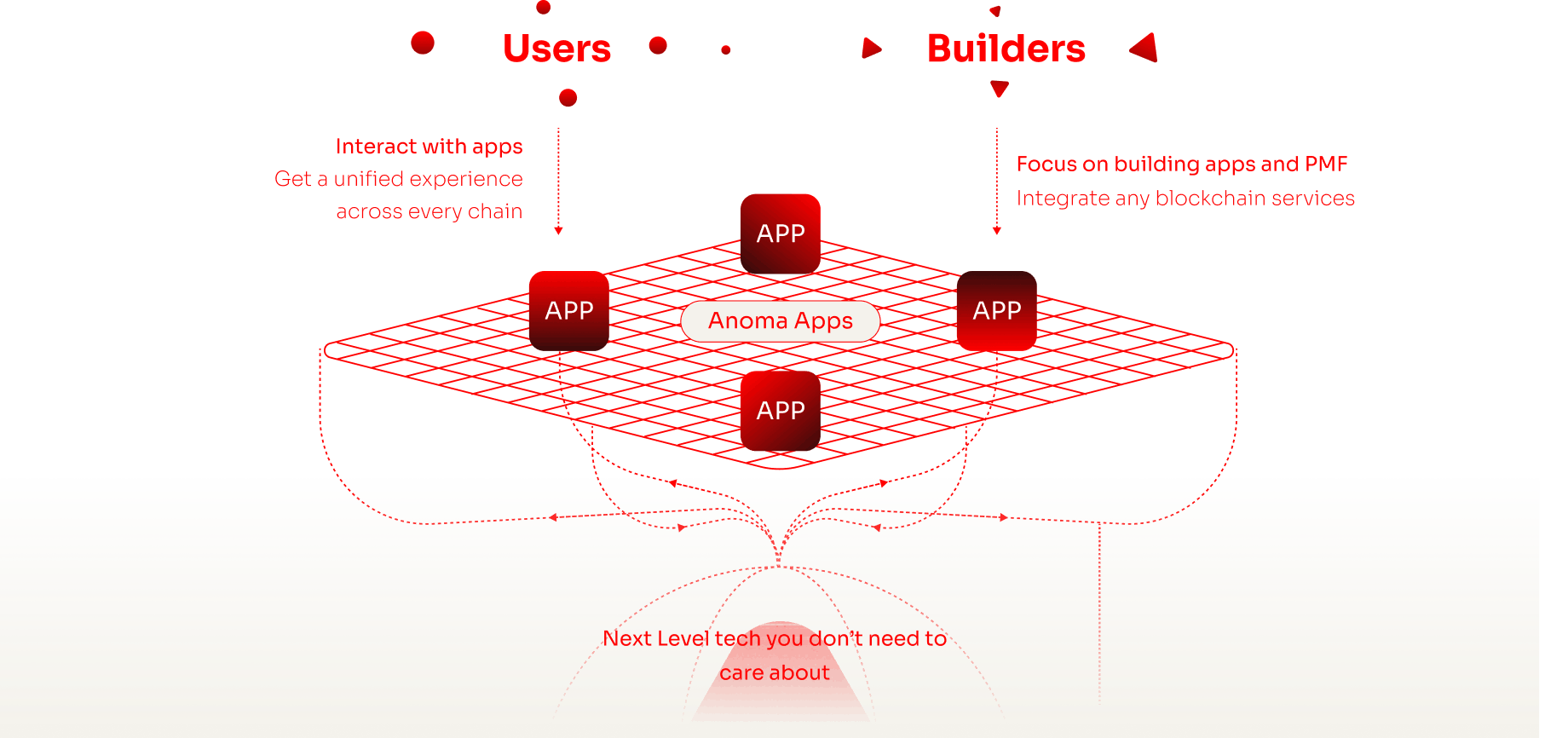
What does Anoma enable?
Privacy everywhere.
Anoma brings best-in-class privacy to any chain. Users can transact with any asset on existing public blockchains privately, with full control over how their data is shared.
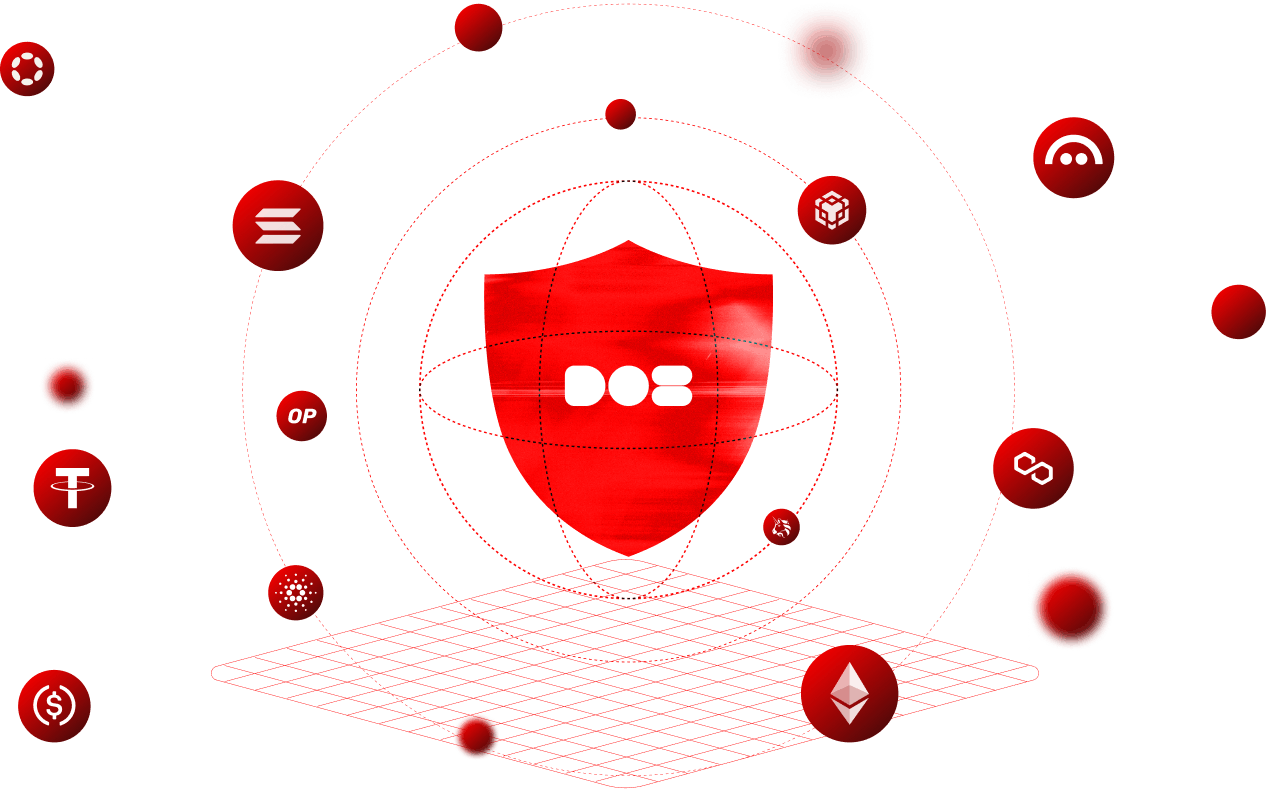
Plug-and-play privacy
Existing public blockchains can offer native privacy without needing to make any changes to their existing code. Applications can offer private transactions and leverage private data while making it easy for their users.
Universally compatible
Like Zcash on steroids, Anoma brings privacy to any existing asset. Users don’t need to use specific privacy coins or privacy chains, set up new wallets, or download any software.
Private payments made easy with AnomaPay
With AnomaPay, Anoma introduces the easiest way to make private crypto payments with any asset on any chain.
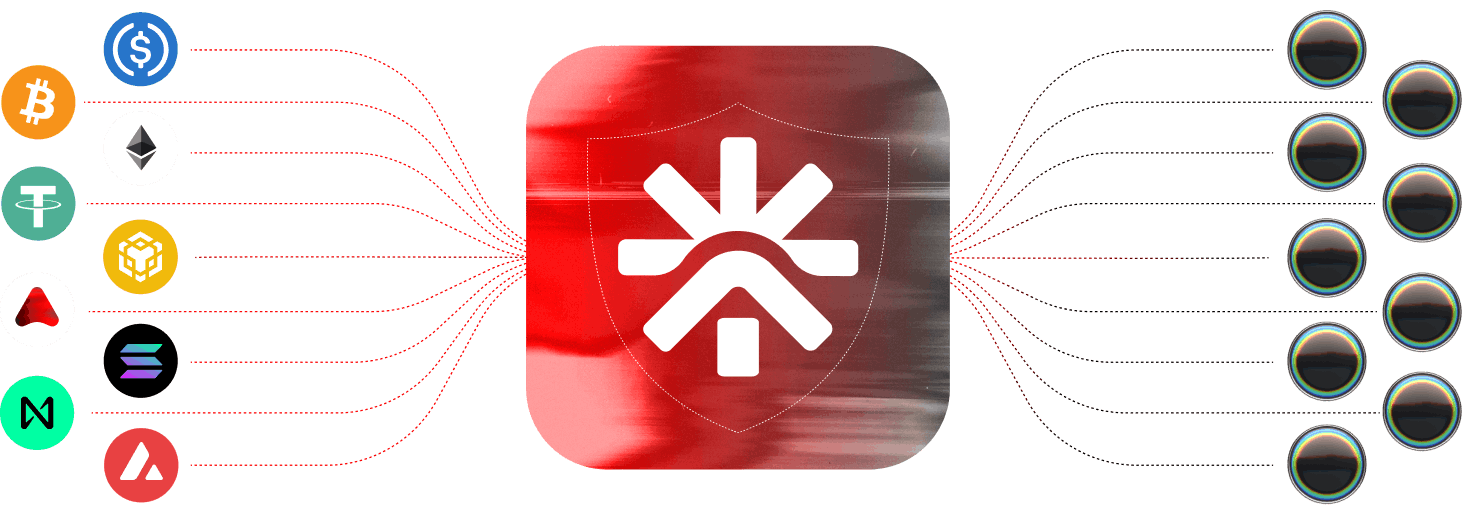
Intents
Crypto made simple.
Anoma makes building and using crypto applications easy, combining the usability of Web2 with the sovereignty and resilience of Web3.
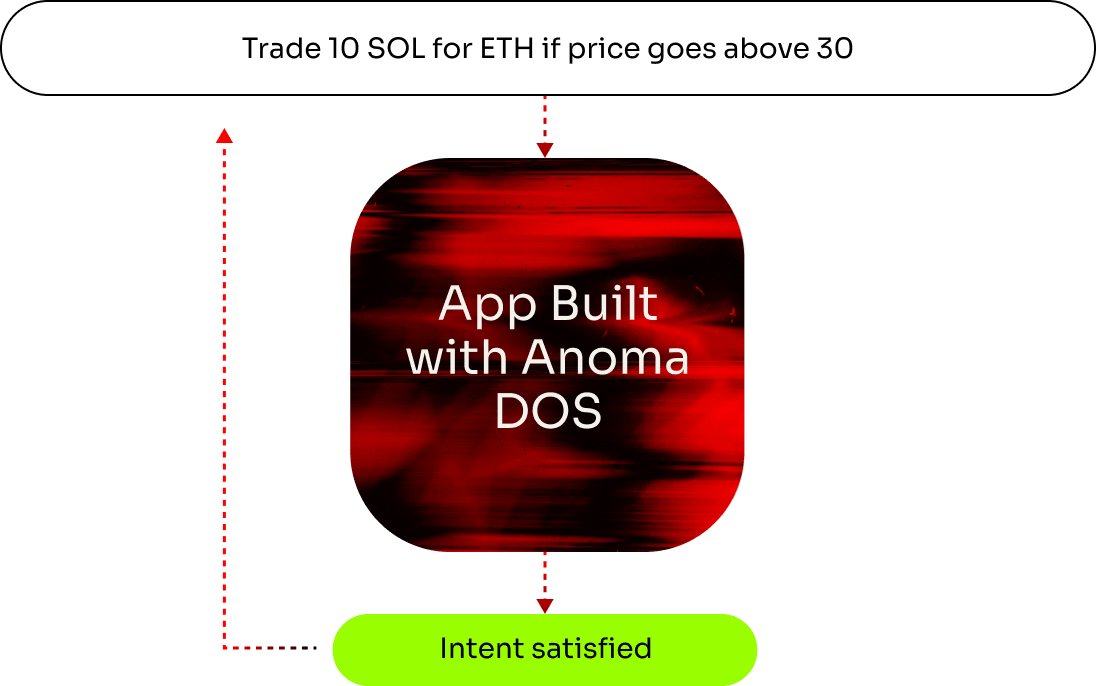
Powered by intents
Intents unlock a new standard for user experience where users state their desired outcomes and systems work to fulfil them. Complex, multi-step interactions can happen ‘automatically’ in the background while surfacing simple interactions for users. Intents aren’t magic, but Anoma apps feel like they are.
Apps that work everywhere
Users don’t need to understand the complexities of navigating different blockchains, interoperability systems, and user interfaces. Apps can just work everywhere at once, and provide a seamless experience for users across chains.
Apps that work like magic
Like Windows or MacOS, Anoma comes with apps that make it easy to use crypto. The first one is AnomaPay, which makes it easy to pay anyone with crypto privately. With AnomaPay you don’t need to manage seed phrases or know your recipient’s onchain address–just pay with easy payment links in your favorite chat app.
Why Anoma?
Power to the people.
Anoma puts people back in control of the systems they use. With centralized big tech systems, you are the product, and applications are designed to monetize you and your data. With Anoma, you control the system instead of the system controlling you.

Apps should be human-centric, not blockchain-centric
Anoma places user needs, preferences, and values at the center of the blockchain experience. It enables more natural interactions and empowers people to make blockchains work for them, paving the way for a more human-friendly decentralized financial system.
Privacy is a fundamental right
We expect our most sensitive data to be protected when using the internet, from confidential files to personal photos. But your onchain transactions are still exposed to the world. Confidentiality for sensitive financial data is necessary for widespread adoption of crypto and is a fundamental requirement for financial freedom.
How does Anoma work?
DOS.
The blockchain command center
Anoma is not another blockchain. It’s a higher level interface that enables builders to treat the entire landscape of chains and infrastructure as a unified system of resources to write applications with. By eliminating blockchain complexity, Anoma shifts innovation upward to the application layer.
The Anoma Resource Machine (ARM)
The ARM is a virtual machine, similar to the EVM, and the engine that powers Anoma applications. The ARM is installed on existing chains via Protocol Adapter (PA) smart contracts. It works seamlessly alongside existing VMs, enabling native intents and privacy on existing chains.
Any intent, anywhere
Anoma introduces a standard for generalized intents. The holy grail of intent-centric design, this enables any type of intent to be expressed and solved across any connected chain, rollup, or dapp. This opens the door to a new wave of innovation in user-friendly, seamlessly interoperable dapps.
Programmable privacy
The lack of privacy is a major shortcoming of blockchains. Anoma upgrades existing chains with programmable privacy, enabling specific data to be shared with specific parties as necessary, for example for auditing or compliance purposes.
What does the future look like with Anoma
Tech <> Humans

Technological innovation with humans in control
With self-sovereign decentralized systems, you control the system instead of the system controlling you. Intent-centric technology keeps human needs and values in the driver seat, giving users superpowers over the systems they rely on.
Sovereign coordination that scales, powered by XAN
Anoma DOS gives people, organizations, and communities the tools they need to control their own financial destinies and thrive in a future of decentralized, sovereign coordination. XAN is the economic coordination mechanism that makes this possible across the entire Anoma ecosystem.
Seamless, natural user interfaces
The way we interact with the internet is quickly changing. AI agents and natural language processing are changing the nature of UIs, making more natural human interactions possible. With Anoma as the coordination layer, agentic systems will work seamlessly alongside human intent and provide a seamless experience while maintaining sovereignty and resilience.